
In polysilicon production for the PV industry, most equipment operates under high-frequency start-stop and high-inertia load conditions. A large amount of regenerative feedback power is generated during equipment deceleration and braking, which easily triggers overvoltage alarms in frequency converters, unexpected machine shutdowns, and damage to electrical control components. These issues directly impair production efficiency and product yield of the production line. As a core component for energy dissipation, high-power braking resistors are critical accessories that ensure safe, stable and continuous operation of polysilicon production lines.
For supporting applications in the PV polysilicon sector, the DQR corrugated high-power braking resistor has become another major selling model of our company thanks to its excellent working condition adaptability, and is supplied in large batches to meet braking demands of core polysilicon production equipment.
1. Core Product Advantages
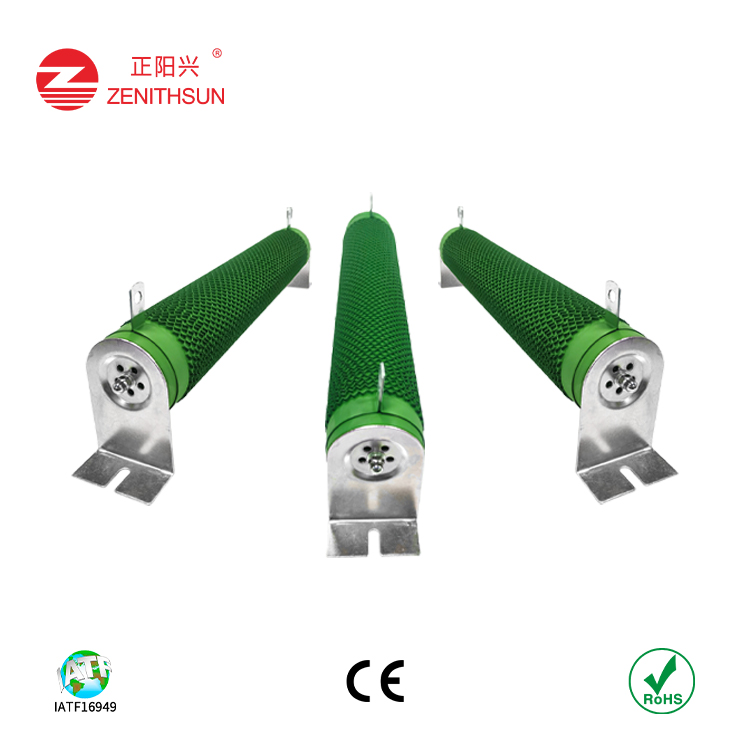
The DQR is a corrugated wire-wound high-power braking resistor. It uses high-temperature-resistant ceramic tubes as the base skeleton, with premium alloy resistance tape wound in a corrugated form. Its outer surface is coated with non-combustible high-temperature-resistant insulating thermal dissipation coating. Featuring a vibration-resistant structure with strong resistance to transient impacts, it can withstand harsh on-site conditions in polysilicon workshops including dust, sustained high temperatures and frequent braking.
(1)Superior heat dissipation: The corrugated structure expands the heat dissipation area, rapidly converting regenerative electric energy into heat for dissipation. It supports frequent transient braking with minimal resistance drift under long-duration load operation, ensuring uninterrupted continuous production.
(2)Strong overload resistance: Capable of withstanding short-term high-power surges to handle instantaneous high-energy impacts caused by manipulator emergency stops and equipment emergency shutdowns, lowering risks of resistor burnout and failure.
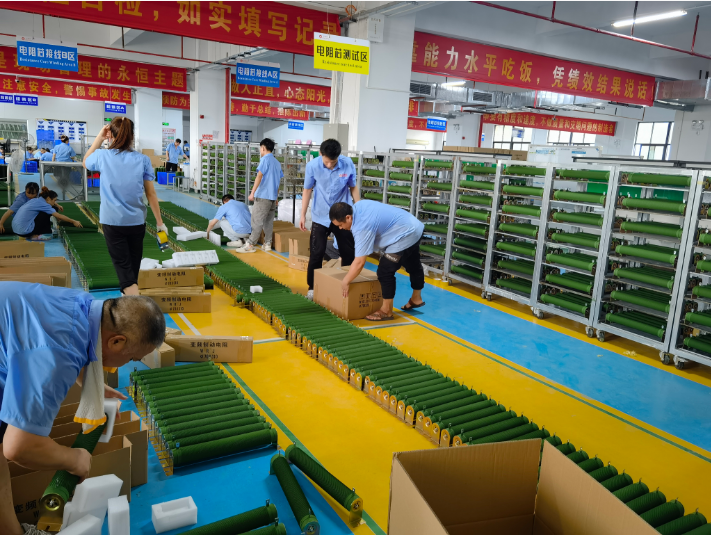
(3)High product consistency: Mature mass-production processes enable tight control over resistance and power parameter deviations for every unit under bulk delivery, facilitating mass installation and standardized matching for equipment manufacturers.
(4)Convenient installation and adaptation: Compact structure allows installation inside control cabinets. Directly compatible with mainstream braking units and frequency converters for easy assembly and commissioning by system integrators.
(5)Moisture-proof and durable: Adopts thickened stainless steel or thickened galvanized and tinned hardware fittings, which have passed a 24-hour salt spray test to prevent rusting in high-humidity environments.
(6)Insulation Withstand Voltage: Customizable insulation withstand voltage above 10kV upon customer request.
(7)Manufacturing Range: Single-unit power rating: 10W – 20kW Resistance value: 0.1Ω – 100kΩ
In addition, non-inductive versions of this resistor can be manufactured per customer requirements. Resistor banks can also be assembled via series and parallel connections.
2. Application Scenarios in PV Polysilicon Production
Polysilicon production involves complex operating conditions. Manipulators transport heavy silicon ingots with frequent rapid positioning, starting and stopping, creating high inertia loads. Feedback electric energy is produced every time the equipment decelerates.
(1)Silicon ingot transfer manipulators: Frequent grabbing, moving and lowering of silicon ingots. The braking resistor promptly dissipates motor feedback energy to achieve smooth deceleration and positioning, avoiding collision damage to silicon ingots and improving silicon material yield.
(2)Drive mechanisms matched with reduction furnaces: Frequent start-stop operations of furnace-related drive systems. The braking resistor suppresses DC bus overvoltage, preventing frequency converter fault trips and sustaining continuous operation of the entire reduction furnace process.
(3)Silicon material crushing and post-processing production lines: Dissipates excess energy during deceleration and braking of variable-frequency driven equipment, protecting the whole electrical control system and reducing unplanned downtime on site.
3. Other Core Application Scenarios of DQR Series Resistors
Beyond PV polysilicon, high-power braking resistors are widely applicable across industries for variable-frequency dynamic braking, regenerative energy dissipation, bus overvoltage protection and load testing:
(1)New Energy: PV equipment, wind turbine pitch control, energy storage converter, hydrogen energy supporting equipment
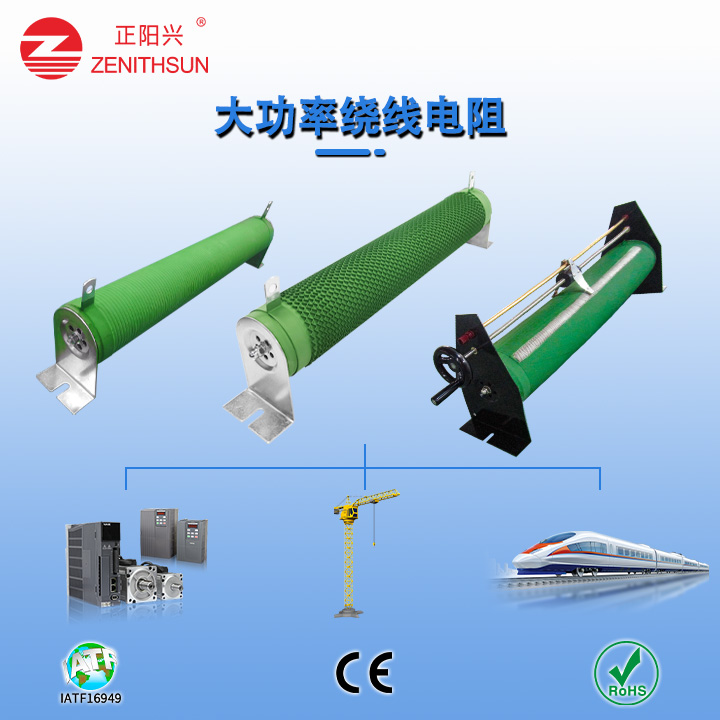
(2)Heavy Industrial Machinery: Cranes, machine tools, injection molding & extrusion machines, mine conveyors, heavy-duty variable-frequency equipment such as fans and water pumps
(3)Intelligent Logistics & Warehousing: Automated warehouse stackers, AGVs, automatic sorting and conveying lines
(4)Test Load Equipment: Aging and performance test benches for motors, charging piles, power supplies and batteries
(5)Special Transportation Equipment: Elevators, large lifting platforms, rail transit auxiliary drives, electrical control for engineering machinery
(6)Continuous Production Lines: Metallurgy, papermaking, textile, web winding/unwinding, automated production lines for wastewater treatment
PV polysilicon production imposes stringent stability requirements on equipment. Even a small braking resistor plays a vital role in the stable continuous operation of the whole production line. With reliable adaptability to working conditions and mass delivery capacity, DQR high-power braking resistors support stable operation of upstream PV equipment. Moving forward, we will keep optimizing high-power resistor products and provide improved power resistor selection and supply solutions for various special working conditions in the new energy industry.


