

Load banks are essential tools in the field of generators, providing a controlled way to test, maintain, and optimize the performance of power generation systems. These devices simulate electrical loads, allowing generators to operate under specific conditions for evaluation, troubleshooting, and reliability checks. This article explores how load banks are applied in the generator field, their types, and the benefits they offer.↳
What is a Load Bank?
A load bank is a device that mimics an electrical load to test and evaluate the performance of power systems, such as generators. By absorbing and dissipating energy as heat, load banks allow for the safe and controlled testing of generators under varying conditions without relying on actual connected equipment.↳
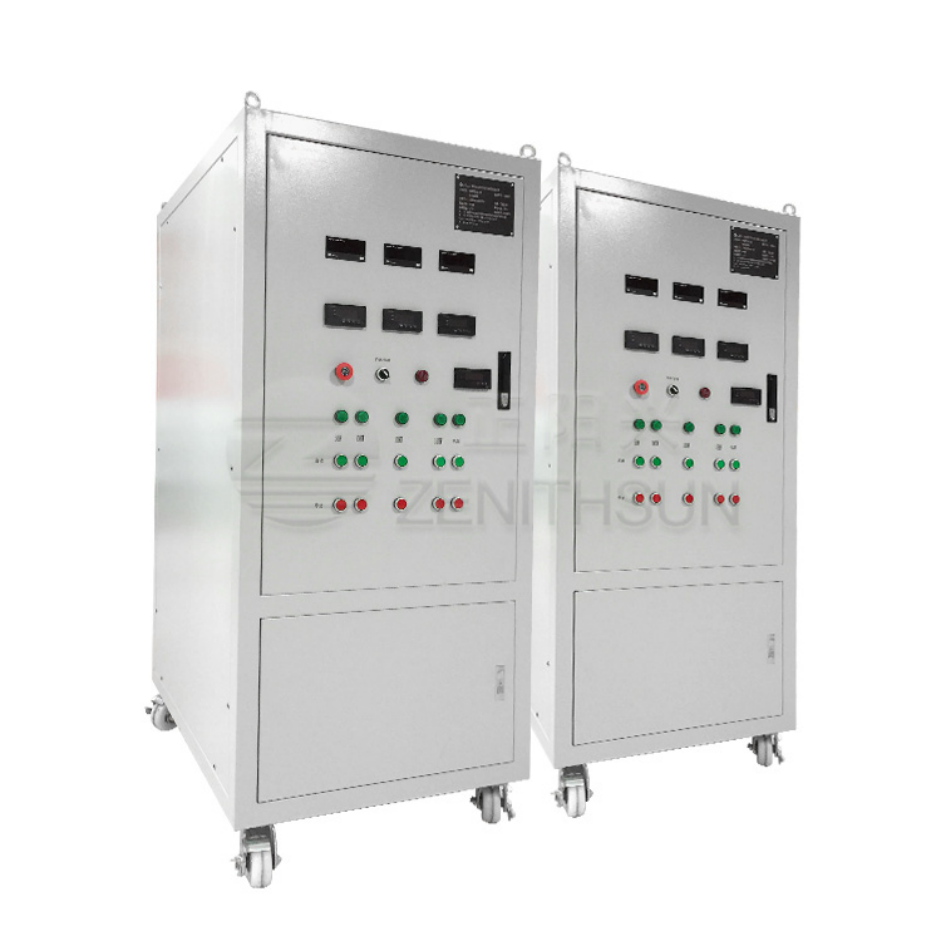
Load bank
Load banks typically consist of resistive, inductive, or capacitive elements, depending on the type of load they simulate, and are equipped with cooling systems to dissipate heat generated during operation.↳
Applications of Load Banks in Generator Operations
1. Performance Testing
One of the primary uses of load banks is to test the performance and capacity of generators. This ensures the generator can handle the required load in real-world scenarios.↳
- Capacity Verification: A load bank applies incremental loads to verify the generator’s maximum output capacity and ensure it meets design specifications.
- Load Step Response: Tests how the generator responds to sudden increases or decreases in load, revealing issues like voltage drops or recovery times.
- Fuel Consumption Analysis: Determines the efficiency of fuel usage under specific load conditions.
2. Commissioning of New Generators
Before a generator is put into regular operation, load banks are used to ensure it functions correctly:↳
- Initial Testing: Confirms the generator meets all operational requirements and standards.
- Verification of Accessories: Ensures auxiliary systems, such as cooling, exhaust, and fuel supply, work effectively under load conditions.
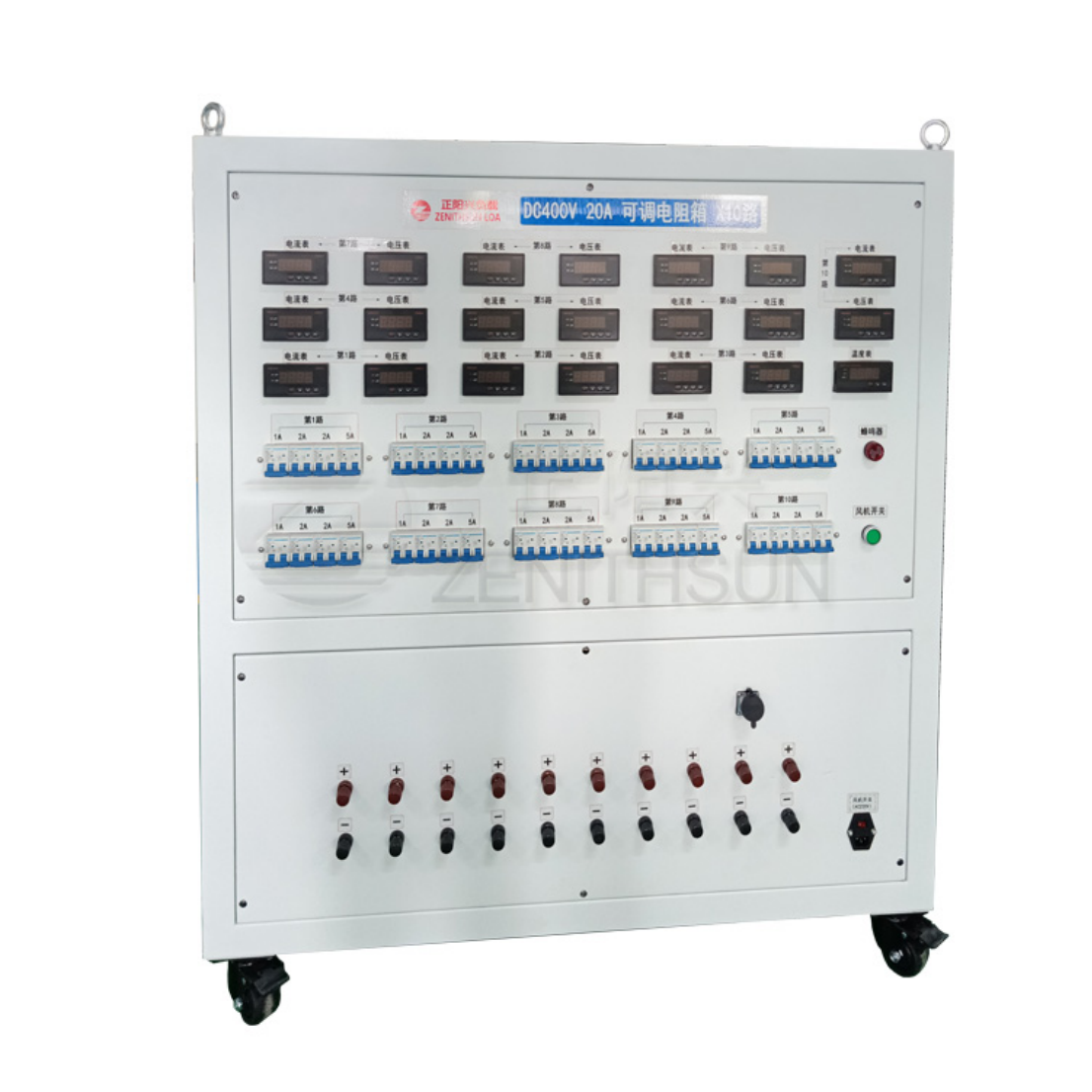
Load bank
3. Preventive Maintenance
Load banks play a critical role in maintaining the reliability and longevity of generators by:↳
- Exercising Standby Generators: Prevents “wet stacking,” a condition where unburned fuel accumulates in the engine exhaust system due to underloading during standby operation. A load bank runs the generator at its rated capacity, burning off the accumulated residue.
- Identifying Wear and Tear: Detects mechanical or electrical issues, such as overheating or component degradation, before they cause major failures.
- Battery Testing: Ensures that backup batteries used in generator systems can handle the load and maintain adequate charge.
4. Troubleshooting and Diagnostics
Load banks help diagnose issues in generators by simulating real-world conditions:
- Fault Identification: Helps pinpoint problems like unstable voltage, irregular frequency, or poor fuel efficiency.
- System Stress Testing: Identifies potential weaknesses or failures in the generator or its associated systems when subjected to high loads.
5. Load Sharing and Balancing
In systems with multiple generators operating in parallel, load banks assist in balancing the load between units:↳
- Synchronization Testing: Ensures generators work in unison without issues like load imbalances or phase mismatches.
- Load Redistribution: Helps redistribute load across multiple generators for optimal efficiency and reduced wear.
6. Emergency Power System Testing
For critical facilities such as hospitals, data centers, or airports, load banks are indispensable in testing emergency generator systems:↳
- Simulating Power Outages: Ensures that the generator can seamlessly take over during a power failure.
- Verification of Automatic Transfer Switches (ATS): Confirms that switches can properly transfer the load between the primary power source and the generator.
7. Training and Demonstrations
Load banks are used in training environments to simulate generator operations and teach technicians how to respond to different scenarios.↳
Types of Load Banks Used with Generators
- Resistive Load Banks
- Simulate real power loads by converting electrical energy into heat.
- Commonly used for testing generator capacity and heating systems.
- Reactive Load Banks
- Simulate reactive loads, such as those from inductive or capacitive equipment (e.g., motors, transformers).
- Used for testing power factor and reactive load management.
- Combination Load Banks
- Combine resistive and reactive elements.
- Provide a more realistic simulation of mixed loads found in real-world applications.
Benefits of Using Load Banks in Generator Testing
- Improved Reliability: Regular testing ensures that generators are ready to perform when needed, especially in critical situations.
- Prolonged Lifespan: Identifying and addressing minor issues early helps prevent major failures and extends the generator’s service life.
- Enhanced Efficiency: Load banks allow for performance tuning, optimizing fuel consumption and load-handling capabilities.
- Compliance with Standards: Ensures generators meet industry standards and regulatory requirements for safety and performance.
- Cost Savings: Preventive maintenance with load banks reduces the likelihood of costly downtime and repairs.
Load banks are indispensable tools in the generator field, enabling effective testing, maintenance, and optimization of power systems. By simulating real-world conditions, they ensure that generators operate reliably and efficiently, minimizing the risk of unexpected failures. Whether for commissioning new systems, performing routine maintenance, or troubleshooting, load banks provide a versatile and practical solution for ensuring the dependable performance of generators in any application.


