

When it comes to ensuring the performance and reliability of a generator, one of the most effective tools at your disposal is the load bank test. This test plays a crucial role in validating a generator’s ability to handle the electrical load it’s designed for, making it an essential practice for industries relying on backup power systems. This article will explore what load bank testing involves, why it’s necessary, and how it helps ensure the long-term efficiency and reliability of generators.
What Is a Load Bank Test?
A load bank test involves using a device known as a load bank to simulate an electrical load on a generator. The load bank is a piece of equipment that allows operators to apply a controlled, resistive, inductive, or capacitive load to the generator, replicating real-world operating conditions. This test can be performed on new, existing, or standby generators, and it typically runs for a specified duration (often several hours) to assess how the generator performs under load.
The process of the load bank test mimics the actual usage patterns that a generator will experience in real operational scenarios. This allows for the measurement of performance metrics such as fuel efficiency, cooling system functionality, and load-handling capabilities. Load bank testing also helps to identify any hidden issues, ensuring the generator is ready to deliver reliable power when needed.
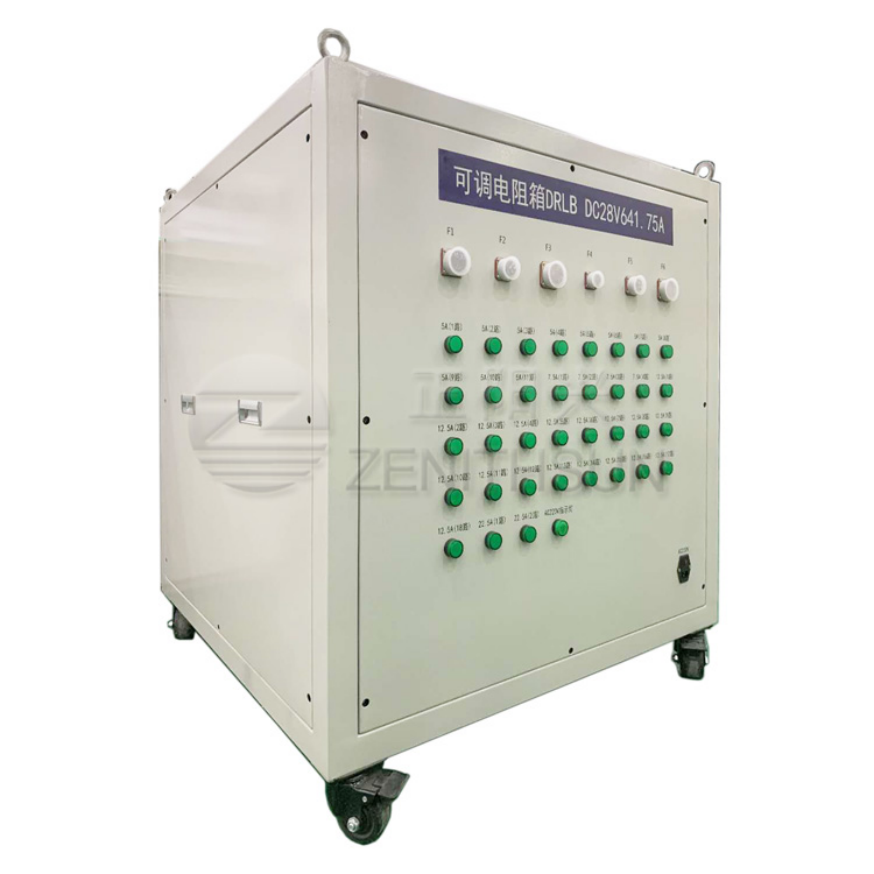
Load bank
Why Is a Load Bank Test Important?
Generators are often used as emergency backup power sources, meaning they need to be ready to perform at a moment’s notice. Without a proper load bank test, there is no way to confirm whether the generator will function as expected during a power outage or under load.
Here are some key reasons why load bank testing is essential for ensuring the performance and reliability of your generator:
1. Verifying Generator Capacity
A generator is built to handle a certain load, but it’s difficult to assess whether it can reach and maintain that load without testing. Load bank tests apply a progressively increasing load to the generator to confirm whether it can handle its rated capacity. This helps to ensure the generator can support critical equipment when called upon.
2. Preventing Long-Term Issues
Generators that are not regularly exercised or tested under load may develop mechanical issues. Components such as alternators, fuel systems, and engines can degrade over time if they’re not used under normal load conditions. Load bank testing ensures that these components remain in optimal working order by running the generator at full capacity for a sustained period.
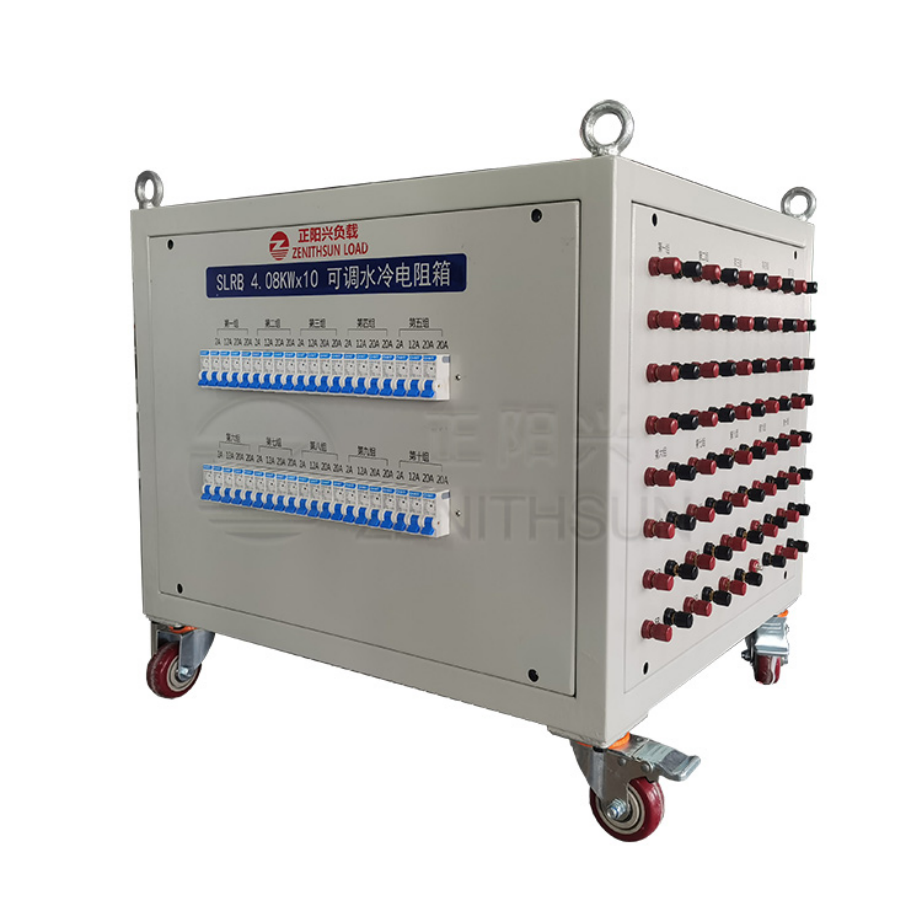
Load bank
3. Avoiding Wet Stacking and Carbon Build-Up
Generators that run at low loads for extended periods of time, especially diesel engines, are prone to issues such as “wet stacking,” where unburned fuel and carbon accumulate in the exhaust system. This can lead to engine damage and increased maintenance costs. Load bank tests prevent wet stacking by forcing the generator to operate at higher loads, which allows the engine to burn fuel more efficiently and avoid unnecessary buildup.
4. Monitoring Fuel Efficiency and Emissions
Load bank testing offers a valuable opportunity to measure the fuel consumption and emissions of a generator under load. Monitoring these factors ensures that the generator operates within its environmental and regulatory parameters, especially in industries where environmental standards are a concern. Efficient fuel consumption during a load bank test can also signal that the engine is functioning properly and is in good condition.
5. Testing the Cooling System
Generators require effective cooling to maintain optimal performance during operation. A load bank test can help monitor the generator’s cooling system by exposing it to the conditions it will face during real-world usage. This helps identify any potential issues with the radiator, fans, or coolant levels, which could otherwise lead to overheating or failure.
How to Perform a Load Bank Test
Performing a load bank test involves several key steps to ensure that the generator is properly evaluated:
1. Prepare the Generator
Before the test begins, ensure that the generator is serviced and in good working order. Check fluid levels, oil quality, and inspect the system for any obvious signs of wear or malfunction. It is important to have a qualified technician handle this part of the process to ensure safety and accuracy.
2. Select the Right Load Bank
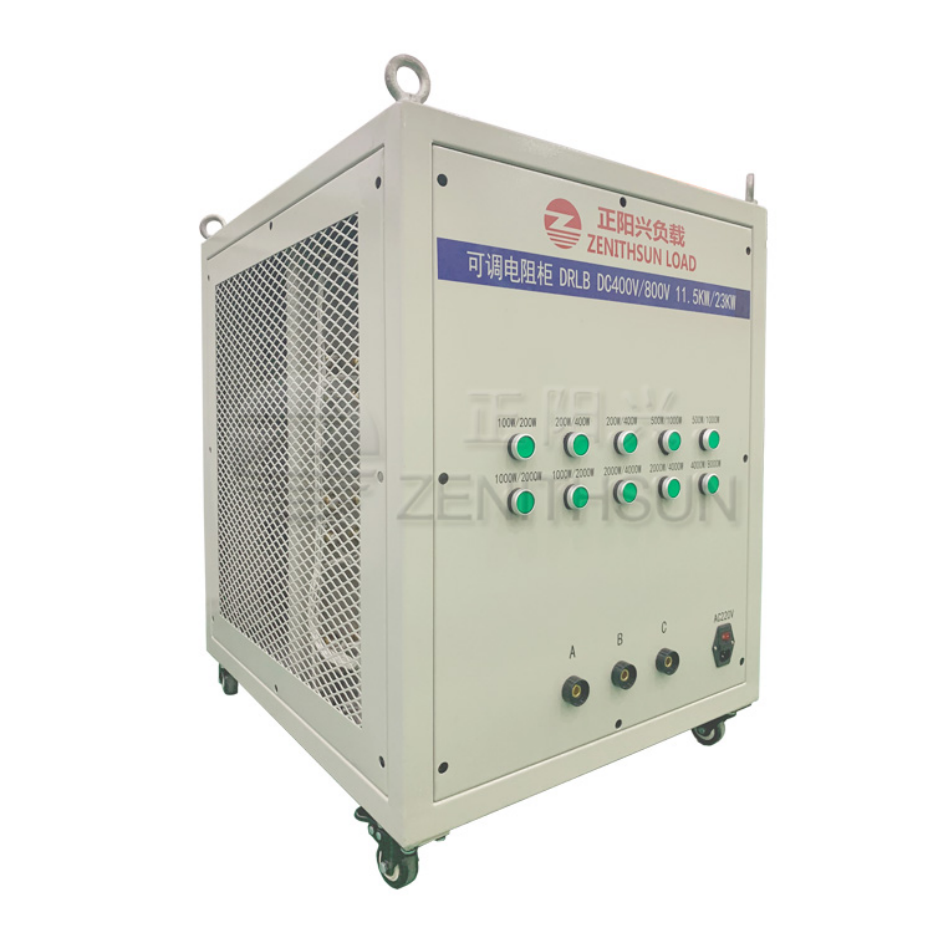
Choose a load bank that is appropriate for the size and type of generator you are testing. Load banks come in various types: resistive (which simulates simple electrical loads) and reactive (which can simulate inductive and capacitive loads). The choice will depend on the nature of the load the generator is expected to handle in its operational environment.
3. Connect the Load Bank
Once the generator and load bank are ready, connect the load bank to the generator’s output terminals. Be sure that the connections are secure and that the generator is prepared to handle the electrical stress from the load bank.
4. Gradually Apply the Load
Start by applying a low load to the generator, gradually increasing it to the maximum rated capacity over the course of several minutes. This incremental increase helps prevent sudden stress on the generator, allowing it to adapt to the rising demands. It also provides a comprehensive assessment of how the generator responds to different levels of load.
5. Monitor Performance
During the test, monitor key performance indicators such as voltage, frequency, temperature, and fuel consumption. Also, listen for any unusual noises or vibrations that could indicate a problem. If any issues arise, the test should be stopped, and the problem should be diagnosed and addressed before proceeding.
6. Maintain Load for the Required Duration
Once the generator reaches the full load, maintain this load for a set duration (typically 1–2 hours, depending on the generator’s size and purpose). This helps to fully assess how the generator performs under sustained load conditions.
7. Cooldown and Inspection
After the test, allow the generator to cool down naturally. Inspect the generator for any signs of overheating, damage, or stress, and review the data collected during the test. A qualified technician should perform a post-test inspection to ensure everything is functioning as expected.
Load bank testing is an essential procedure for verifying the performance and reliability of a generator. It not only ensures that the generator can handle its intended load but also helps to identify and address potential issues before they lead to costly breakdowns. By regularly testing your generator with a load bank, you can be confident that it will provide reliable power during critical moments, keeping your operations safe and efficient. Whether you’re running a backup power system for a hospital, data center, or industrial facility, a load bank test is the most effective way to ensure that your generator will perform when it matters most.


