

Cement resistors are a category of high-power resistors that are known for their ability to dissipate large amounts of heat, making them ideal for high-current and high-voltage applications. These resistors are typically used in power supplies, industrial equipment, and audio systems. While cement resistors share a similar basic construction, there are different types of cement resistors designed to meet varying electrical and mechanical requirements. In this article, we will explore the various types of cement resistors and highlight the differences between them.
What is a Cement Resistor?
A cement resistor is a fixed resistor that consists of a metal wire (usually made from a high-resistance material like nichrome) wound around a ceramic core. The wire is then coated with a heat-resistant cement material, typically composed of a mixture of ceramic and other insulating materials. The casing not only provides insulation but also acts as a heat sink to dissipate the heat generated when current flows through the resistor. The construction allows cement resistors to handle high power without failure due to overheating.
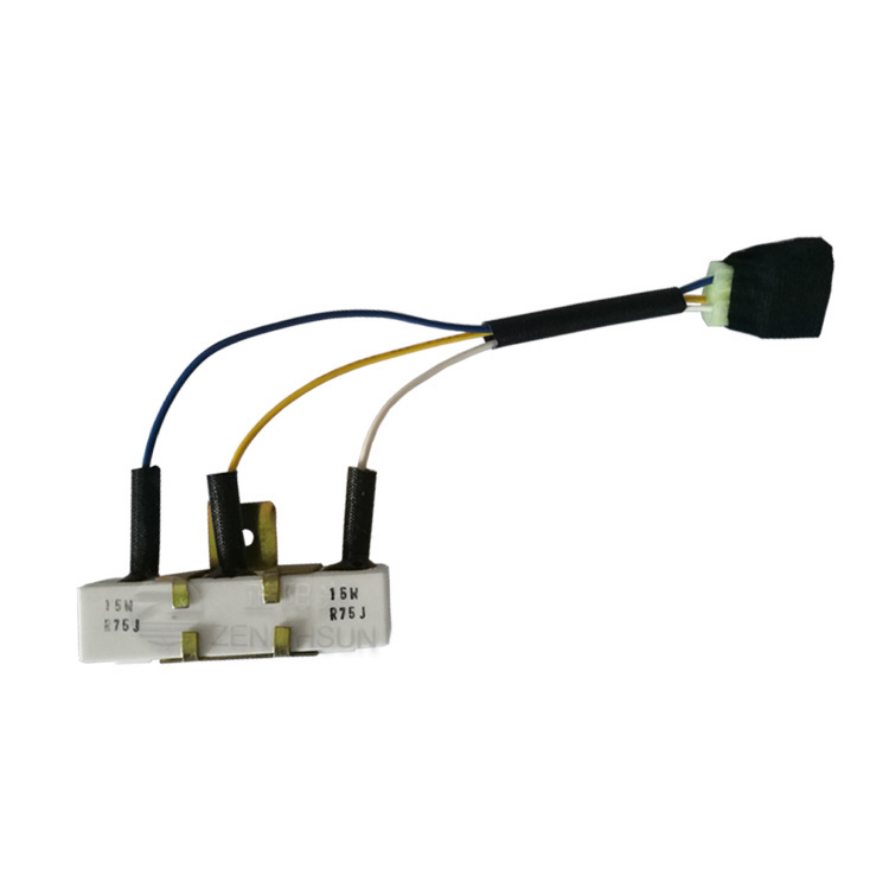
Cement resistor
Now, let’s explore the different types of cement resistors and their unique characteristics.
Types of Cement Resistors
- Wire-Wound Cement ResistorsDescription: Wire-wound cement resistors are the most common type in the cement resistor category. As the name suggests, these resistors are made by winding a wire (usually nichrome, an alloy of nickel and chromium) around a ceramic core. The wound wire provides the resistance, and the ceramic casing is coated with cement-like material to offer heat dissipation and insulation.
Key Features:
- Power Rating: Can handle high power levels (up to several hundred watts).
- High Accuracy: These resistors offer relatively precise resistance values.
- Durability: Resistant to mechanical stress, moisture, and environmental factors.
Applications:
- High-power applications like power supplies, audio amplifiers, and industrial equipment.
- Often used in current-limiting applications.
Differences from Other Types:
- Compared to other types, wire-wound cement resistors offer a more accurate resistance due to the precise nature of wire winding. They are also more durable and can dissipate heat more effectively.
- Carbon Film Cement ResistorsDescription: Carbon film cement resistors are made by depositing a thin layer of carbon film onto a ceramic substrate. Unlike wire-wound resistors, these use a film of carbon as the resistive element. The film is typically coated with a cement-like material to offer protection against environmental elements and help with heat dissipation.
Key Features:
- Cost-Effective: Carbon film resistors are generally more affordable than wire-wound resistors.
- Lower Power Rating: While they can still handle moderate power loads, they are not as capable of dissipating heat as wire-wound types.
- Lower Tolerance: These resistors typically have higher tolerance levels compared to wire-wound cement resistors.
Applications:
- Used in applications that do not require the extreme power dissipation capabilities of wire-wound types.
- Common in consumer electronics, low-power industrial systems, and circuit protection applications.
Differences from Other Types:
- Carbon film cement resistors are less accurate than wire-wound cement resistors and are not as efficient in handling high power. However, they offer a lower cost, making them suitable for less demanding applications.
- Metal Oxide Cement ResistorsDescription: Metal oxide cement resistors use a metal oxide film, such as tin oxide or a mixture of metal oxides, as the resistive element. The metal oxide is typically deposited onto a ceramic core and then coated with a cement-like material. These resistors provide good stability and are capable of withstanding higher temperatures compared to carbon film resistors.
Key Features:
- High Power Rating: Metal oxide resistors can handle a higher power load than carbon film types, making them suitable for medium to high-power applications.
- Temperature Stability: They have excellent stability over a wide temperature range.
- Good Voltage Withstanding: These resistors can handle higher voltages compared to other types.
Applications:
- Power supplies, industrial control systems, and power amplifiers.
- Used in applications where both temperature stability and moderate power handling are needed.
Differences from Other Types:
- Metal oxide cement resistors typically offer better thermal stability than carbon film types and are more efficient than carbon film resistors at dissipating heat. They fall in between carbon film and wire-wound resistors in terms of power handling and cost.
- Flameproof Cement ResistorsDescription: Flameproof cement resistors are designed specifically to handle high-power loads and provide enhanced safety in case of overheating. These resistors are often built with a special cement that is more resistant to fire and extreme heat. They are commonly used in high-current applications where failure due to overheating could pose a fire risk.
Key Features:
- Flame Resistance: Designed to prevent fire hazards in the event of resistor failure.
- High Power Dissipation: Able to handle large amounts of power while maintaining a low risk of failure due to heat.
- Temperature Tolerance: They have an extended tolerance range and can operate at higher temperatures than standard resistors.
Applications:
- Automotive circuits, industrial machinery, high-power resistive loads, and any application where fire safety is critical.
Differences from Other Types:
- Flameproof cement resistors are more durable and safer than regular types due to their fire-resistant properties. They are commonly used in high-risk, high-power environments.
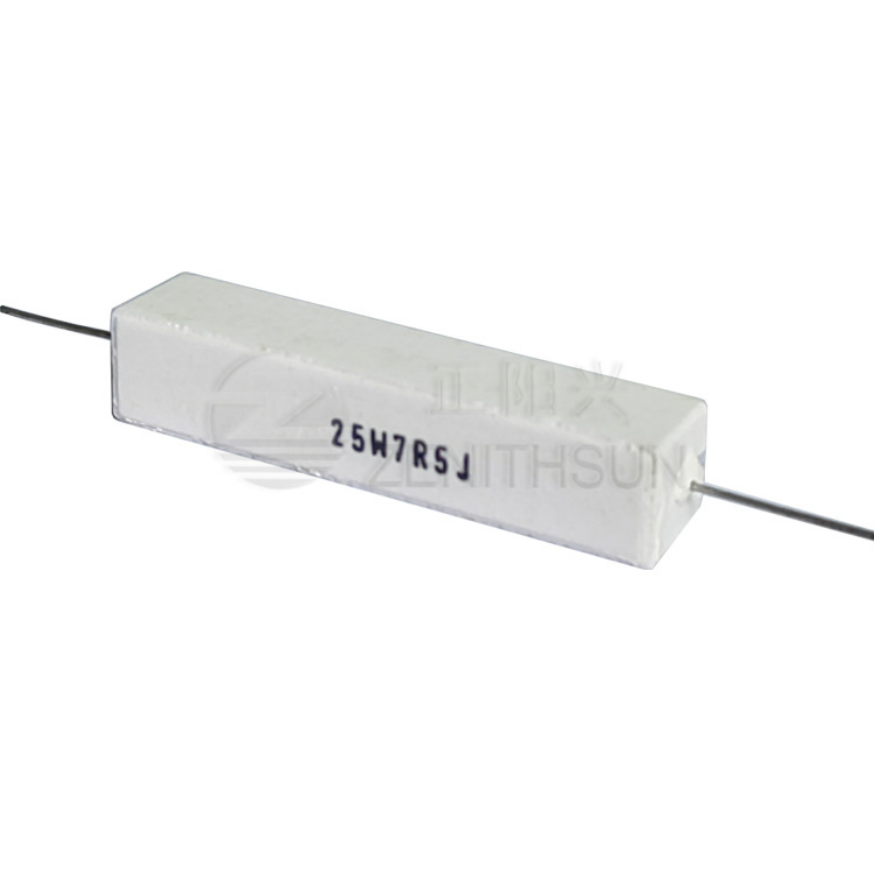
Cement resistor
Key Differences Between Cement Resistor Types
- Power Rating and Heat Dissipation:
- Wire-wound cement resistors can handle the highest power ratings and provide the best heat dissipation.
- Metal oxide cement resistors have a good balance between power handling and thermal stability but fall short of wire-wound resistors in extreme power applications.
- Carbon film cement resistors handle moderate power and are typically used in low to medium-power applications.
- Flameproof cement resistors are designed to dissipate high power while offering fire resistance.
- Accuracy and Tolerance:
- Wire-wound cement resistors offer the most accurate resistance values and have lower tolerance.
- Carbon film cement resistors tend to have higher tolerances, making them less precise than wire-wound types.
- Metal oxide cement resistors have moderate accuracy, with tolerances generally between carbon film and wire-wound types.
- Cost:
- Carbon film cement resistors are the least expensive, making them ideal for budget-conscious applications.
- Metal oxide cement resistors are moderately priced, offering a balance between performance and cost.
- Wire-wound cement resistors are typically more expensive but are worth the cost for applications that require high accuracy and power handling.
- Flameproof cement resistors are also more expensive due to the added safety features but are essential for high-risk applications.
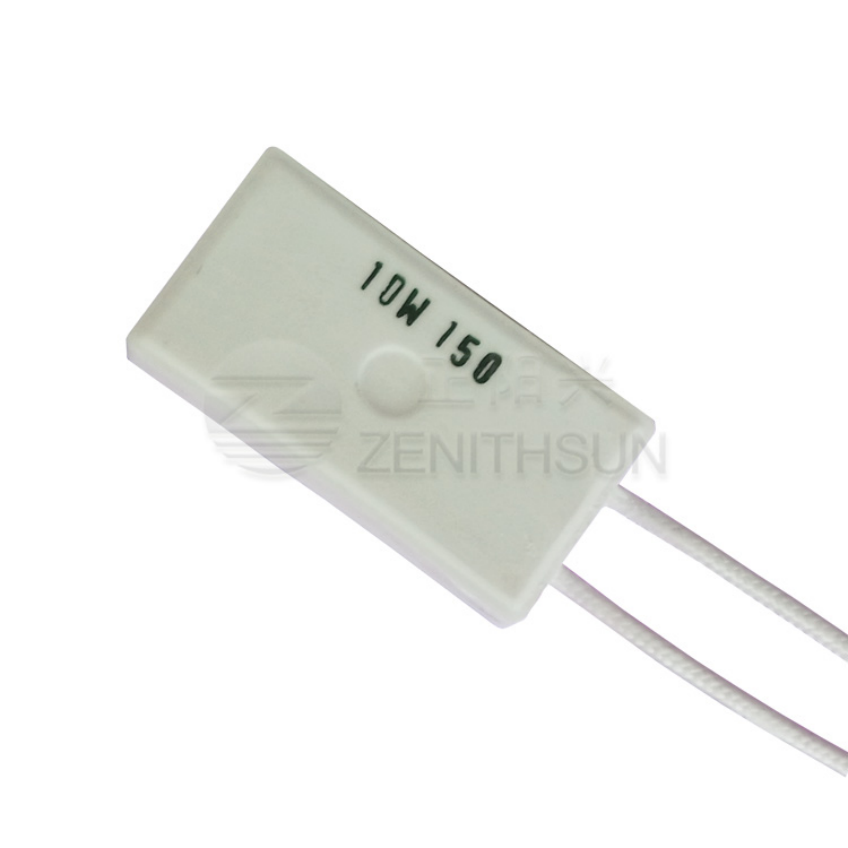
Cement resistor
Cement resistors are an essential component in high-power and high-voltage applications, with several types to choose from depending on the specific needs of the circuit. Wire-wound, carbon film, metal oxide, and flameproof cement resistors all offer unique advantages in terms of power handling, accuracy, durability, and cost. By understanding the differences between each type, engineers can make informed decisions about which type of cement resistor is best suited for their applications, ensuring both performance and safety in their designs.


